Haida Gwaii’s winter has already packed in more variety than many seasons manage in three months.
Snow in early December. Torrential rain before New Year’s. A highway washout. Repeated wind warnings on the water. And now, another stretch of unsettled Pacific weather lined up for the days ahead.
This has not been a quiet winter.
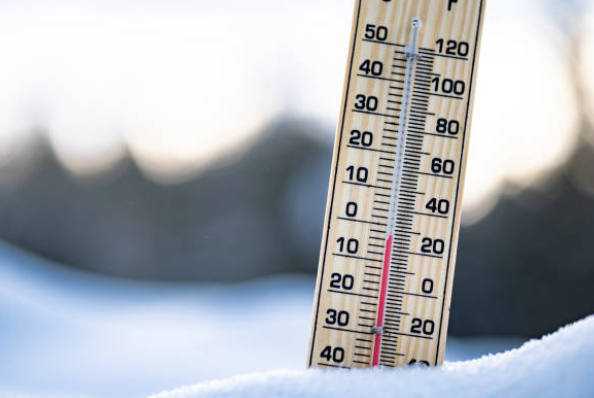
December opened with several snow events across the islands, with measurable accumulation reported in Sandspit, Daajing Giids, Port Clements and Masset. Roads iced over, travel slowed, and for a few days winter looked more like the Interior than the coast.
The snow did not last long at sea level, but it did what snow here always does. It arrived fast, disrupted routines, and disappeared just as quickly when milder air returned behind the next system.
Then came the rain.
In the final week of December, a powerful storm system dumped extreme rainfall across the North Coast. On Haida Gwaii, the volume was enough to overwhelm already saturated ground. Highway 16 near Jungle Beach washed out, temporarily cutting off northern communities from the rest of the island and forcing emergency repairs before traffic could resume under single-lane control.
For many residents, that moment marked the real shift into winter mode. Snow was manageable. Flooding infrastructure was not.
Since then, January has leaned back toward the familiar coastal pattern. Frequent rain, limited dry stretches, and steady wind events affecting both road travel and marine traffic. Temperatures have mostly stayed above freezing, but not consistently enough to rule out icy mornings or brief cold snaps.
As this week’s edition goes to print, another series of low-pressure systems is tracking in from the Pacific.
Thursday and Friday are expected to bring periods of rain and strengthening winds, with the roughest conditions likely along exposed coastlines and higher ground. Winds are forecast to ease somewhat into Saturday, but showers and unsettled skies are expected to continue through the weekend and into early next week.
Snow is not in the immediate short-term forecast for low elevations, but it is far from off the table for the season. The same setup that produced December snowfall remains possible at any time when cold air slides in behind a frontal system before warmer air returns. This winter has already shown how quickly that changeover can happen.
On the water, conditions are expected to stay challenging.
Marine forecasts continue to flag periods of gale to storm-force winds for parts of West Coast Haida Gwaii and Hecate Strait as systems move through. These southeast wind events are particularly problematic in Hecate Strait, where shallow depth and long open fetch allow steep, short-period waves to build rapidly.
Even when winds ease, lingering swell can keep seas rough for hours or longer. For commercial operators, fishers and anyone running small craft, this has meant narrow windows between systems and frequent changes to plans.
It has been that kind of winter.
Historically, December and January are the wettest months on Haida Gwaii. Most of the islands’ annual precipitation falls between October and February, often delivered by stacked multi-day systems rather than single dramatic storms.
Snow at sea level is less common, but not unusual. It tends to arrive in short bursts when colder air undercuts Pacific systems, then vanish once the next warm front pushes through.
This winter has followed that general script, but with sharper swings than some years. Snow early. Extreme rain late. Then back to steady systems and wind.
Climate projections for the North Coast suggest winters like this will become more common over time, with slightly warmer average temperatures and more moisture in the atmosphere. That combination increases the likelihood of heavy rain events landing on already saturated ground, the exact scenario that led to the Jungle Beach washout.
So far, winter 2025–26 has delivered just about everything.
Snow. Ice. Flooding rain. Highway damage. Repeated marine warnings.
The forecast suggests the variability will continue. More rain. More wind. Short breaks between systems. And, when conditions line up, likely more snow before spring arrives.